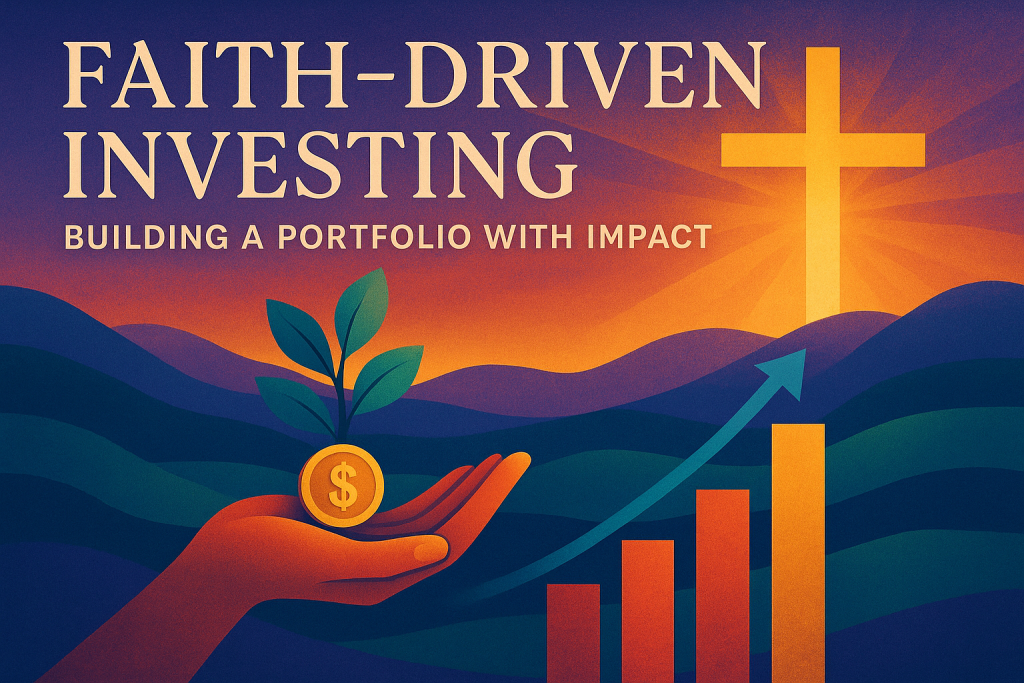
You may not have to choose between strong returns and strong convictions. Faith-driven investing provides an investment strategy which could reflect your beliefs and still perform like other investment portfolios. It’s about aligning your values with your investments.
What is Faith-Driven Investing?
Faith-driven investing (FDI) is a strategy that intentionally applies biblical values to investment decisions. It goes beyond screening out negative influences and focuses on supporting businesses that reflect faith based principles.
Why It Matters
In today’s market, where investments can support everything from sexual exploitation to abortion, being intentional with your dollars matters more than ever. Faith-driven investing empowers Christians to stand for truth with their resources. Here are a few resources to show what I mean > Here and > Here
Core Elements of Faith Driven Investing
Avoidance: Exclude companies that profit from unethical or immoral practices
Affirmation: Invest in companies that uphold biblical values
Advocacy: Use shareholder influence to promote positive change
How to Get Started with Faith-Driven Investing
Define your faith-based values
Educate yourself on available FDI options (funds, ETFs, advisors)
Partner with an advisor who focuses on Biblically Responsible Investing
Monitor your impact through tools and regular reviews
Faith-Driven vs. ESG: What’s the Difference?
While both FDI and ESG (Environmental, Social, and Governance) focus on responsible investing, FDI is rooted in faith based principles. It doesn’t just ask, “Is this good for the planet or people?” but “Does this honor God?”
Real-World Impact
Faith-driven investors have helped fund clean water projects, ethical technology startups, and businesses providing fair wages. This is impact investing that goes beyond profit—it’s legacy building.
The Joy of Faith Driven Investing
When your money is invested to align with your values you may feel joy, peace, and purpose in your investments.
Conclusion
Faith-driven investing is your opportunity to build a portfolio that looks to create value and virtue. When faith leads the way, your investments may change lives—including your own.
“Incorporating a social objective or other non-financial objective into investment decisions may result in investment recommendations that are not focused on maximizing a financial return.”